When temperatures drop, dressing for winter becomes a real challenge. However, staying warm does not depend on the number of layers you wear, but mainly on what you wear as the first layer. Thermal clothing helps retain heat while remaining comfortable in daily life, without weighing down your outfit. In this article, discover how to integrate thermal clothing into your winter wardrobe to stay warm.
In this article:
I. Dressing for Winter: What Really Makes a Difference
II. Thermal Clothing: The Basis of an Effective Winter Outfit
The Essential Role of the First Thermal Layer
At the end of the article, discover THE collection that answers your questions!
I. Dressing for Winter: What Really Makes a Difference
Winter is the perfect season to embrace the layering trend, meaning wearing multiple layers of clothing. It is an undeniable advantage for developing your style and outfits. However, if your goal is not style but to stay warm, piling up thick sweaters and multiple layers is not the ideal solution.
In fact, what you wear under your clothes is far more important than the number of layers. Thermal clothing plays a key role as it acts as a temperature regulator. Its mission is to retain body heat while allowing the skin to breathe, keeping you naturally warm with long-lasting comfort and no “stifling” effect.
So there is no need to pile on thick layers. An effective first thermal layer keeps you warm longer while maintaining a smooth, natural silhouette under your winter outfits.
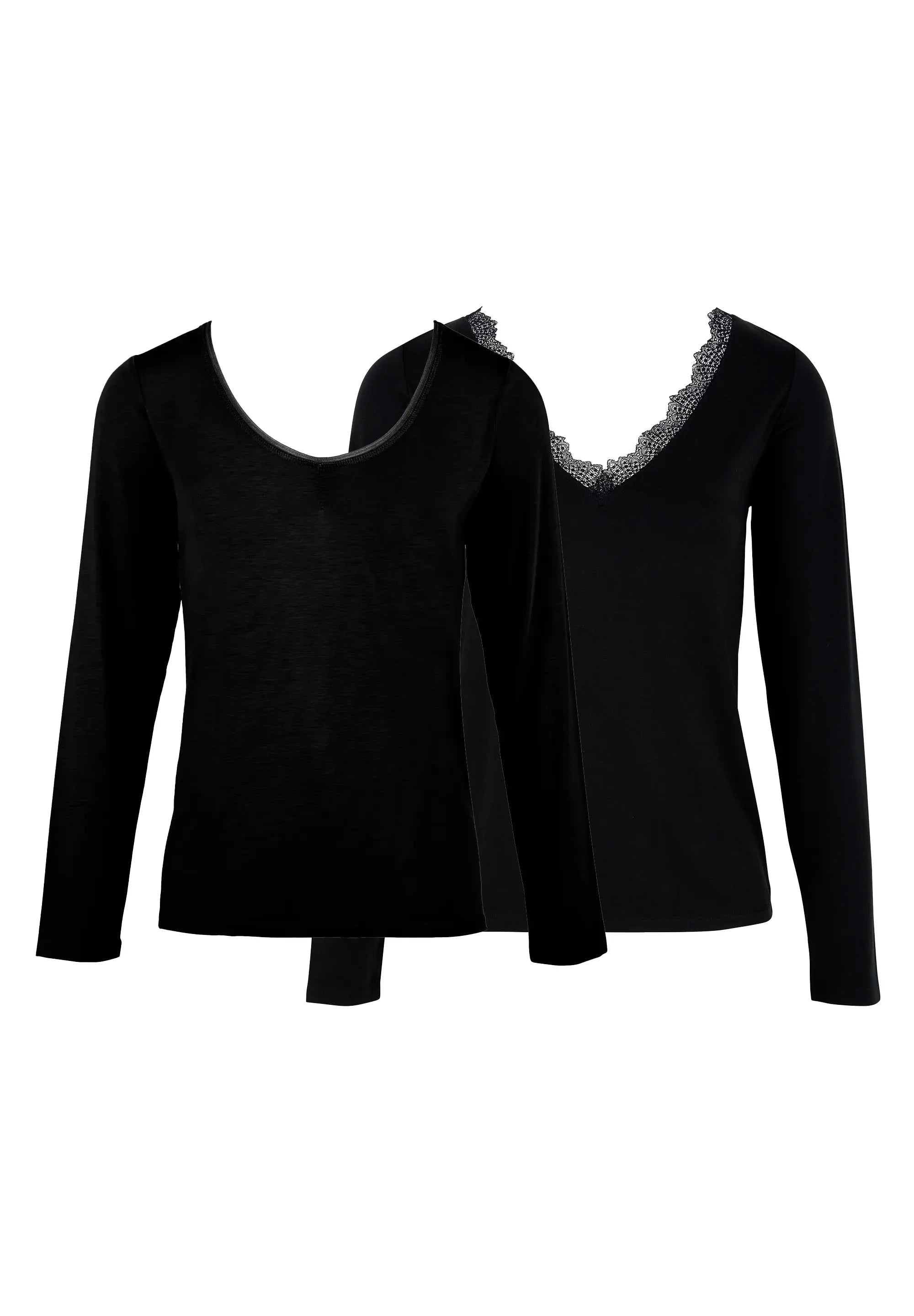
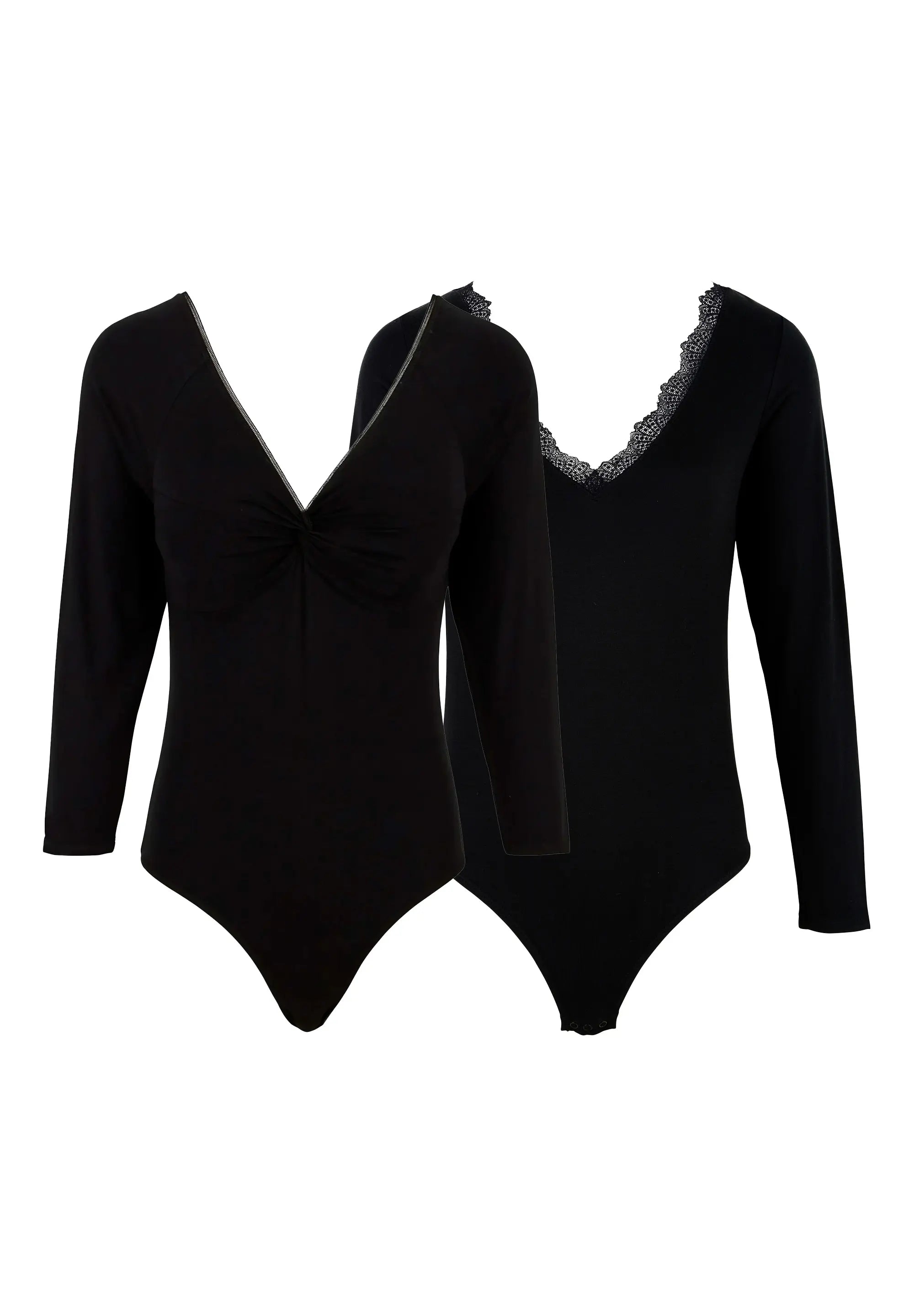
Our Chill Fantaisy Thermal Bodysuit, an essential piece to face winter in style: guaranteed warmth while highlighting the neckline.

II. Thermal Clothing: The Basis of an Effective Winter Outfit
True allies against the cold, thermal clothing pieces are the perfect solution for dressing effectively.
The Essential Role of the First Thermal Layer
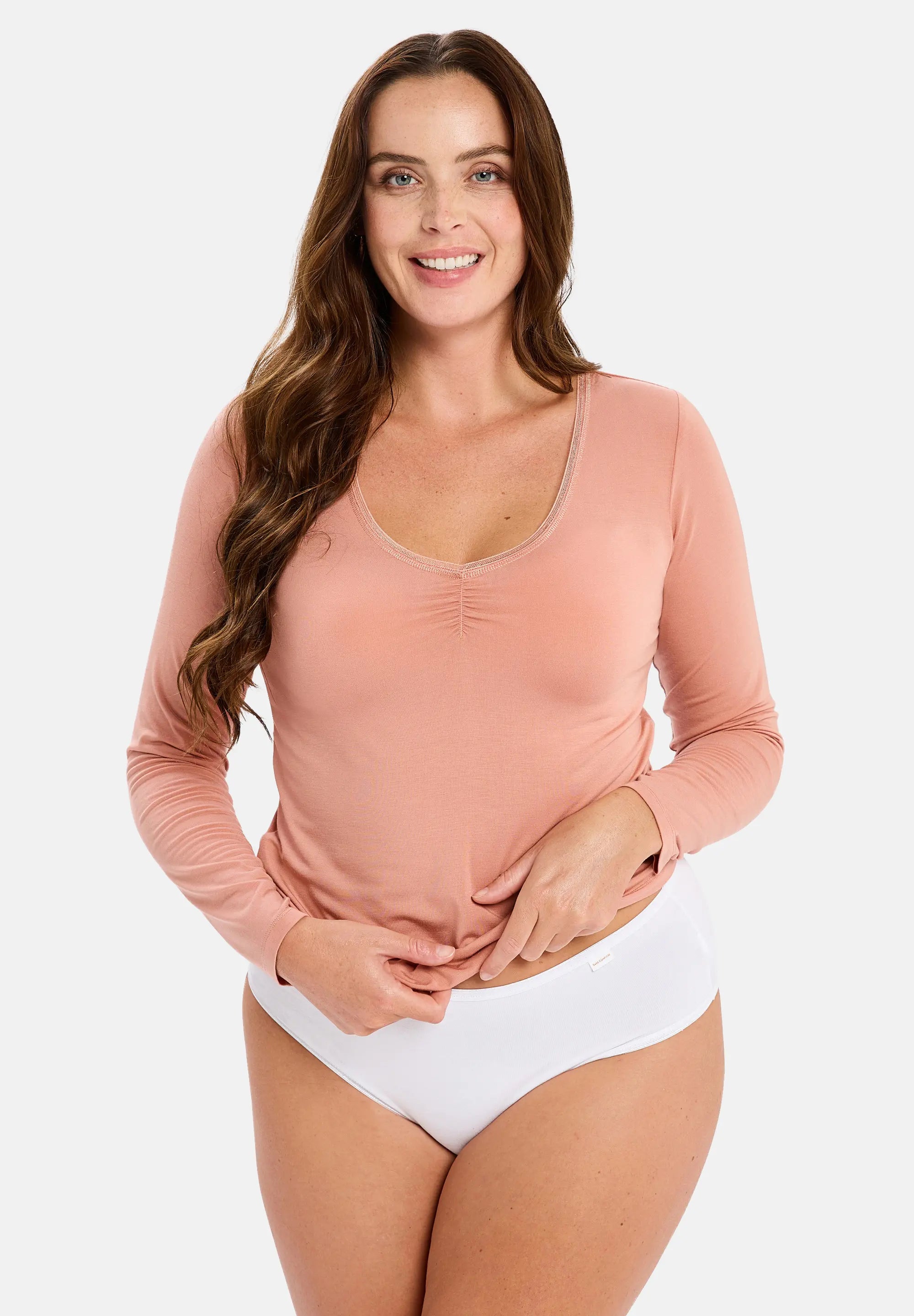
The first thermal layer is what makes all the difference. Worn directly against the skin, it acts as a protective barrier that limits heat loss and protects against the cold outside. Thanks to high-performance materials like modal, it retains warmth while wicking away moisture.
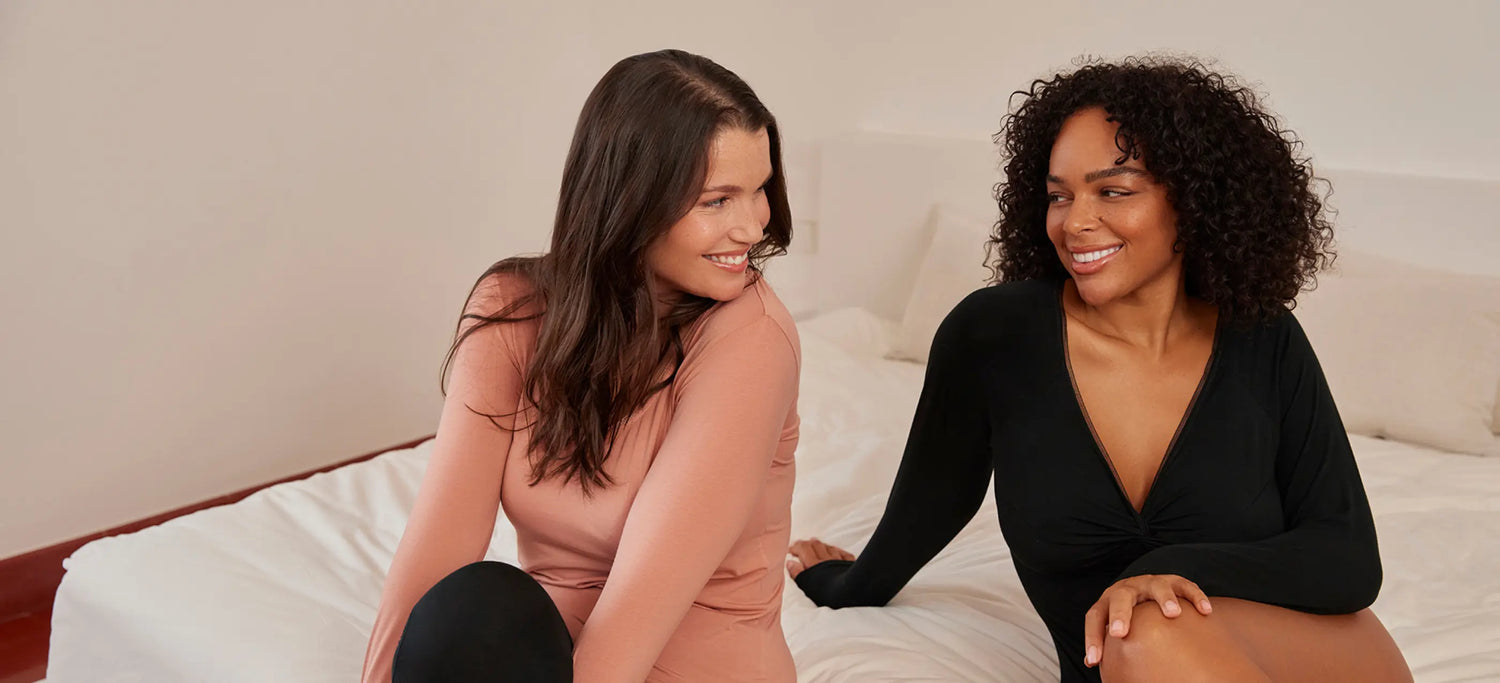
Designed to be worn under a sweater, the Long-sleeve Thermal T-shirt Warm provides optimal warmth without extra bulk.

Comfort and Discretion in Daily Life
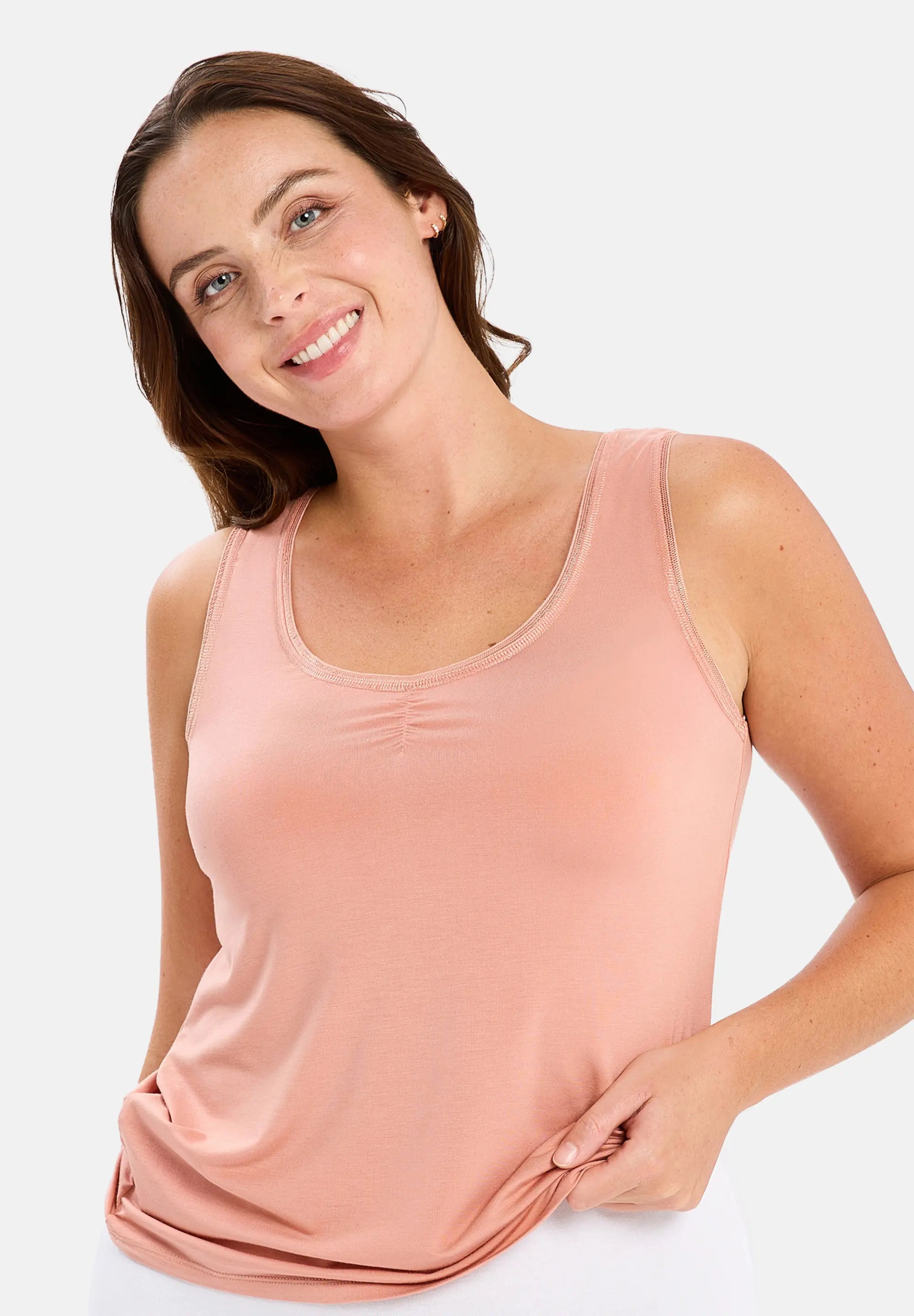
Designed to be worn under clothing, thermal underwear stands out for its thinness and discretion. Our models with a feminine and elegant style can be combined with your outfits naturally.
Warmth Without Extra Bulk
One of the major advantages of thermal clothing is its ability to provide warmth without extra bulk. No need to choose between elegance and cold protection: a single well-chosen thermal layer transforms a classic outfit into a true cold barrier. Thermal underwear is also an excellent mid-season alternative, worn like regular clothing to keep just the right amount of warmth.

III. How to Wear Thermal Clothing
Here are some tips on how to choose thermal clothing depending on the time of day:
- Everyday: Thermal clothing is not only for sports or extreme temperatures. When chosen well, it integrates easily into your daily wardrobe for elegant and functional looks.
- At work: A thermal T-shirt or a thermal bodysuit worn under a shirt or thin sweater keeps you warm all day. Discreet and comfortable, it quickly becomes essential. If it gets too warm to layer, you can remove the sweater and wear your thermal clothing visibly.

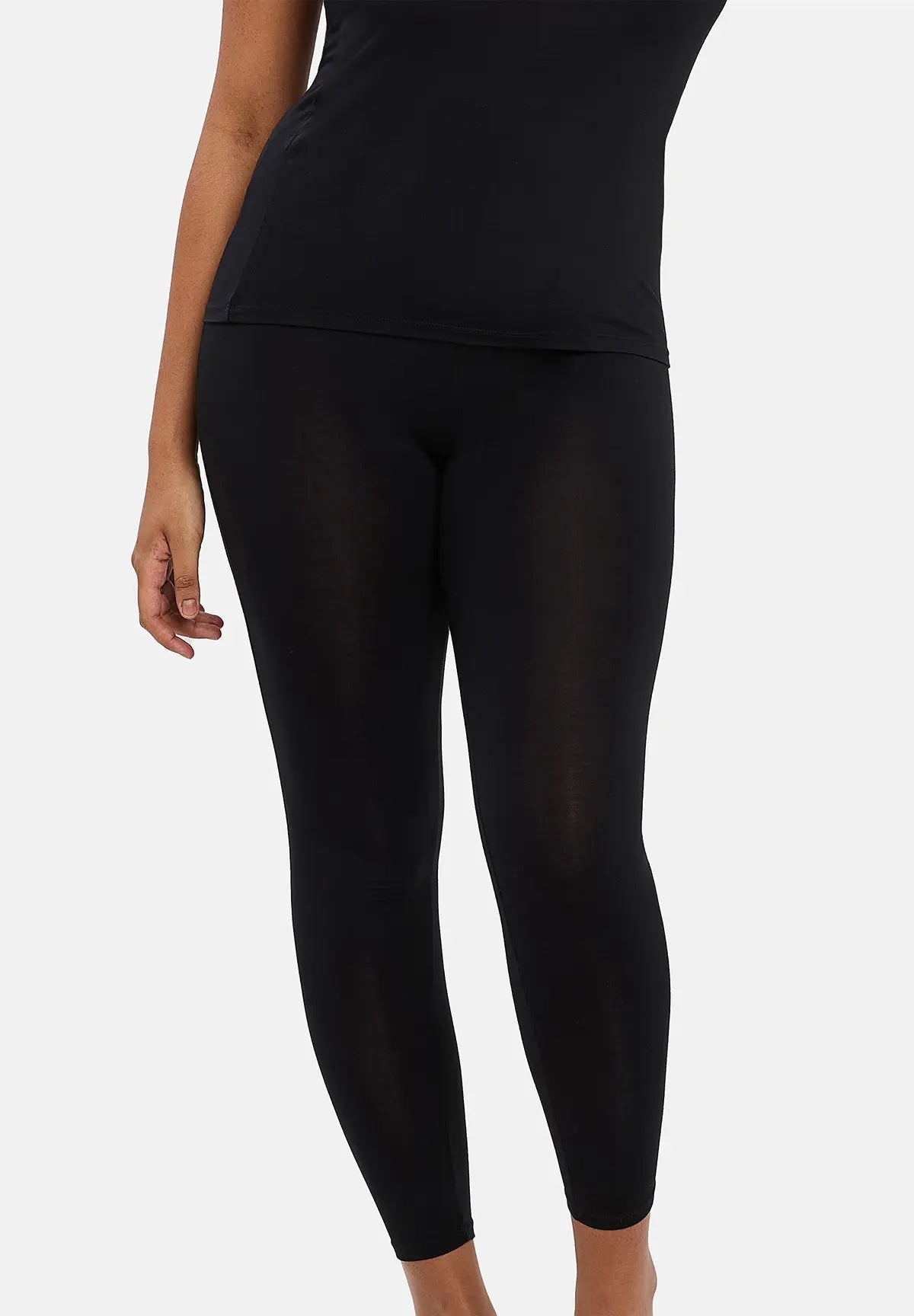
- Outdoors: To face the cold, a thermal leggings or thermal underwear worn under pants ensures effective insulation. These cold-protection garments allow freedom of movement while retaining body heat even at low temperatures. For the more sensitive to cold, the perfect combination is leggings with a bodysuit to keep the cold out and avoid unpleasant drafts.
Our Chill Black collection leggings, worn under clothing, combined with the bodysuit from the collection, form a winning combo against dropping temperatures.

- At home: For cozy moments when all you want is to stay warm on your couch, thermal clothing is perfect. No rules here: wear what you want, how you want.
Our article was written by Sélène, our content manager, in collaboration with Guilhermina, our head of the study office.